
Nadalino
Bio
Artistic Profile | Ceramics and Sculpture
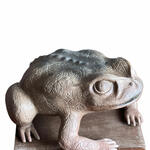
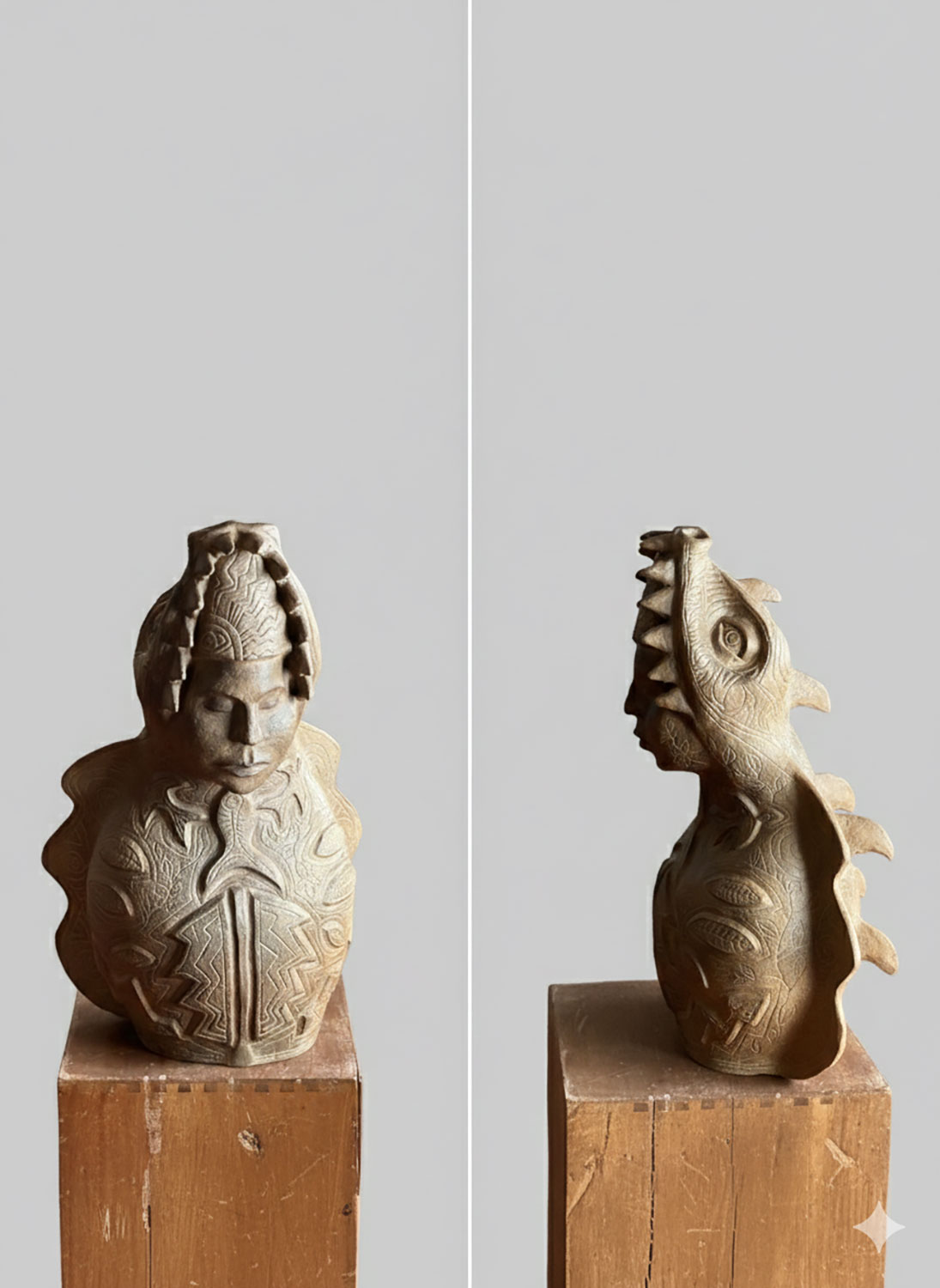
Based in Quebrada de Humahuaca, Jujuy, his artistic practice is rooted in the use of local clays and techniques that dialogue with the territory. His career is divided into three key stages: the discovery of pre-Hispanic ceramics in the 1980s, which decisively influenced his visual identity; the production of ceramic musical instruments starting in the 1990s, achieving national and international recognition; and a sculptural phase consolidated twenty years ago, incorporating elements of literature and the Andean landscape.
He has received several awards and grants from the National Fund for the Arts (FNA). Notable recent projects include the exhibition "El Sonido y el Barro" (Arias Rengel Museum, Salta) and the collective show "Piedra Viva" (Medardo Pantoja Museum), alongside Haro Galli and Alberto Mosca, exploring the geology of the Quebrada. His work proposes a crossroads between ancestral matter, sound, and the geomorphological research of his environment.
Statement
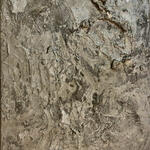
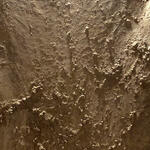
Nadalino’s work is an archaeology of the present that rescues the memory of clay in the Quebrada de Humahuaca. Through the use of local clays, his practice unfolds in a tripartite dialogue: pre-Hispanic technical heritage, the sound exploration of ceramic instruments, and a sculptural synthesis influenced by Andean literature and geology. His pieces, with rough textures and telluric forms, are not merely objects but testimonies to ancestral patience. In his work, the 'living stone' becomes malleable to capture the sound of time, transforming matter into a bridge between the makers' legacy and contemporary expression.