
Herbert Rodríguez
Bio
Herbert Rodríguez (Lima, 1959) He studied at the Escuela de Artes Plásticas de la PUCP (1976–1981). He has presented more than thirty solo exhibitions in Peru and abroad. He represented Peru at the XVII Bienal de Sao Paulo (1983), the I Bienal de La Habana (1984), and at the 59th Bienal de Arte de Venecia (2022) with the exhibition “La paz es una promesa corrosiva” presented at the Pabellón de Perú. In his country, he participated in the II Bienal de Trujillo (1985), the I Bienal Iberoamericana de Lima (1997), and the 4ta Bienal Internacional de Grabado ICPNA (2013).
He was a member of the group Huayco EPS (1979–1981), participated in the project Bestiarios (1984–1987), and in the underground scene. He created scenographies for theater, film, and rock concerts. He promoted the project Arte-Vida (1989–1990) at the Universidad Nacional Mayor de San Marcos (UNMSM), the Pontificia Universidad Católica del Perú (PUCP), Parque Lennon, and other parks in Lima. Between 1998 and 2012 he served as artistic director of the Centro Cultural El Averno.
His work has been reviewed and studied internationally through exhibitions such as: Los enemigos de la poesía: resistencias en América Latina, Episodio 5 of the exhibition “Vasos Comunicantes. Colección 1881–2021” at the Museo Nacional Centro de Arte Reina Sofía (Madrid, 2021); Periódicos de ayer: Arte y prensa en Latinoamérica at the Museo de Arte Miguel Urrutia – MAMU (Bogotá, 2021); Los sueños de la mujer araña. Colección de la Fundación Larivière. Fotografía Latinoamericana (Buenos Aires, 2022); Perder la Forma Humana, una imagen sísmica de los años ochenta en América Latina at the MNCARS (Madrid, 2012) and the Museo de Arte de Lima MALI (2013); América Latina: Fotografías 1950–2013 at Fondation Cartier (Paris, 2013) and Museo Amparo de México (2014).
In 2023 he was recognized with the “Premio a la Trayectoria Artística con Impacto Social” for having dedicated four decades to building an artistic practice that has inspired generations of artists and collective efforts. Actions such as his mural-collages from the project «Arte-Vida», created with the collaboration of students and faculty from the Universidad Nacional Mayor de San Marcos during the period of armed conflict in Peru, distinguish him as a visionary in art with social impact. His most recent panoramic exhibition Inteligencia Salvaje: La contraesfera pública 1979–2019 received the prestigious “Premio Nacional de Curaduría LLAMA 2020” in the category Más allá del arte. In 2018 he received the Medal “Daniel Hernández” from the Escuela Nacional de Bellas Artes del Perú, in recognition of the trajectory of the Grupo Huayco EPS.
Statement
He is positioned between modernist formalist aesthetics and political and postmodern art.
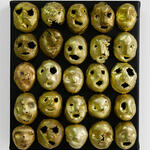
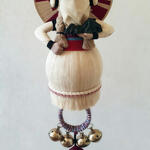
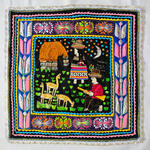
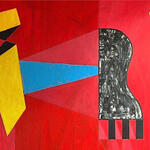
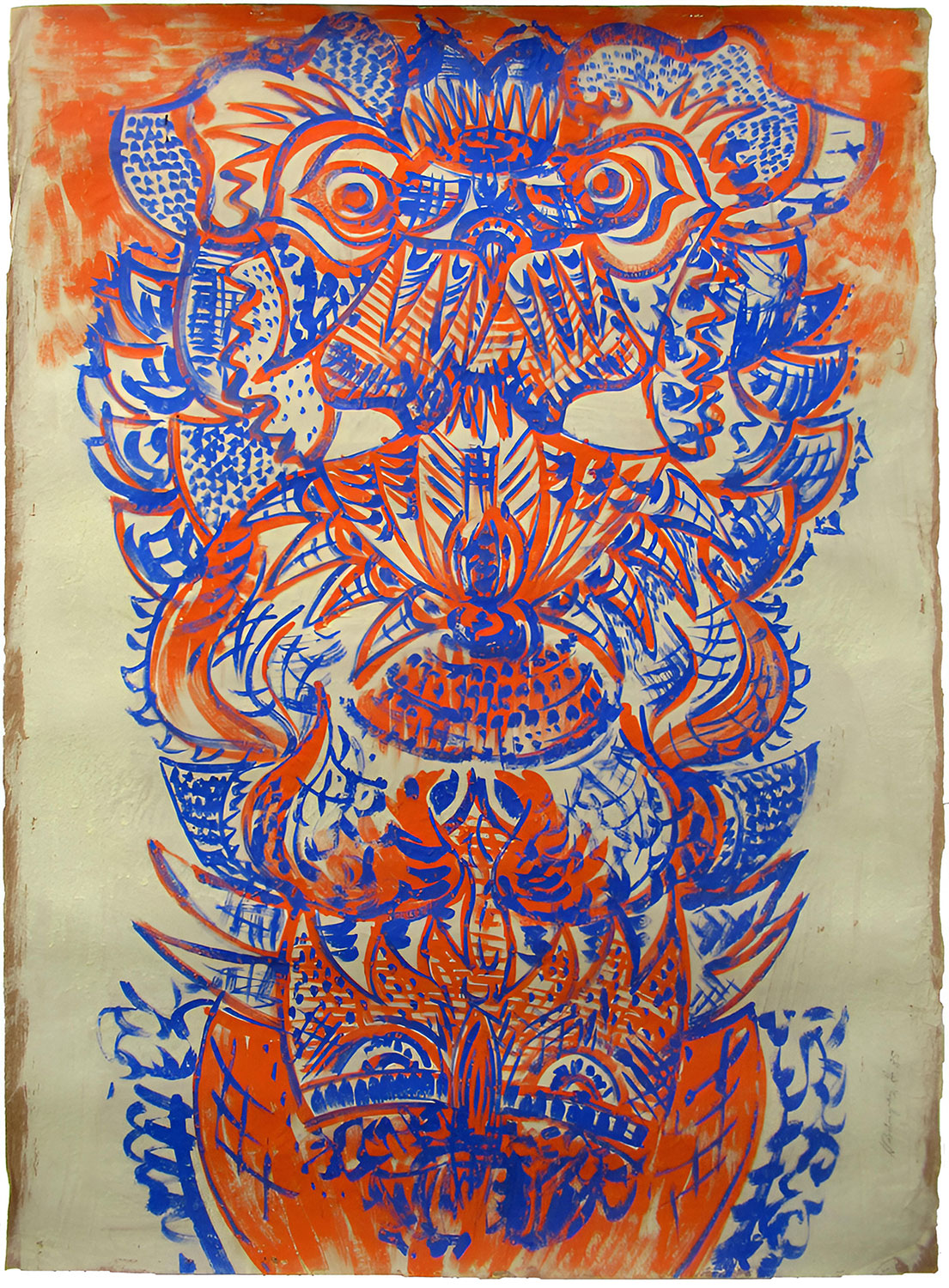
From the sensitivity linked to his cultural identity and to the nature of the Costa, he creates primitivist paintings, murals, and designs that are a celebration of color and life. His compositions of shapes and colors maintain a creative tension between the softness of a pencil drawing and violent gestural brushwork. This tension moves from the clear definition of forms on draft paper or large mural surfaces to the construction of volumes using different materials, imagining objects and atmospheres.
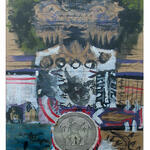
On the other hand, he produces works that correspond to visual culture and political activism, giving viewers the opportunity to look with open eyes at cruelty, double standards, and daily horror. Through critical art, he expresses the contradictions and inconsistencies of everyday life that are often accepted as normal.
This split reflects the multiple cultural gaps—economic, political, and social—within the country, manifested in the distribution of art spaces: art galleries (where the art object is produced for sale) and the street, where rebellious and angry art emerges.


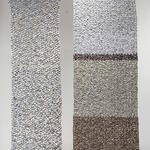
2.5 x 4m / 98.4 x 157 in