
Laura Cardoner
Bio
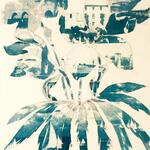
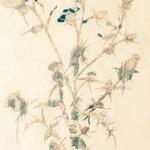
Visual artist working in photography and photogravure.
She began her photographic training in 1993 at the Barabino Devoto School of Photography. She later pursued advanced studies at the Argentine Photographic Club (Fotoclub Argentino) and continued her education through workshops in creativity and contemporary art with Julie Weisz, Diego Ortiz Mugica, Escuela Copello-Miguens, Julieta Escardó, Raquel Bigio, Lucrecia Urbano, Vivian Galbán, Andrea Juan, Ana Sánchez Zinny, and Lorena Fernández.
She has participated in the art fairs pintabahoto (2005, 2006, 2017, 2019, 2023, 2024, 2025, and 2026), ArteEspacio (2010 and 2015), Expotrastiendas (2008), MAPA (2023), and BADA (2024, 2025, and 2026).
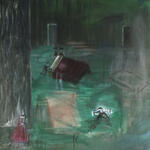
In 2006, she published the artist's book Dreamlike Spaces, presented at MALBA by Jorge López Anaya. That same year, she held the solo exhibition Dreamlike Spaces at Galería Suipacha.
Her solo exhibitions include Fiction and Reality, presented in 2016 at Dain Usina Cultural (Buenos Aires) and at the Argentine Embassy in Paris, and The Trace of Absence, held in 2026 at the Galerie Argentine of the Argentine Embassy in Paris.
Selected group exhibitions and projects include The Wings of Hypnos (Centro Cultural Borges, 2017), Natural Synesthesia (IMPACT10, Santander, Spain, 2018), At the Margin of Reality (Centro Cultural Borges, 2019), The Sounds of Silence (OdA, 2019), and Memory and Archive (pintabaphoto, 2023, 2024, 2025, and 2026).
In 2019, she was selected for the Portfolio Forum of the Festival of Light with her series Incessant Dance, exhibited at Galería Marcelo Gurruchaga.
Since 2021, she has been a member of Centro de Edición, participating in exhibitions held in Mexico, Villa La Angostura, Cantabria, FIG Bilbao, Ushuaia, and Paris.
Since 2005, she has been a member of the artists' collective ATRIA, together with Carolina Gutiérrez and Gabriela Fernández Madero.
Statement
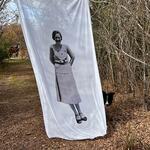
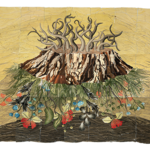
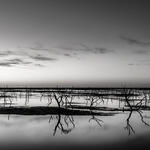
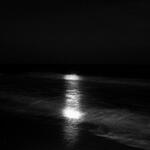
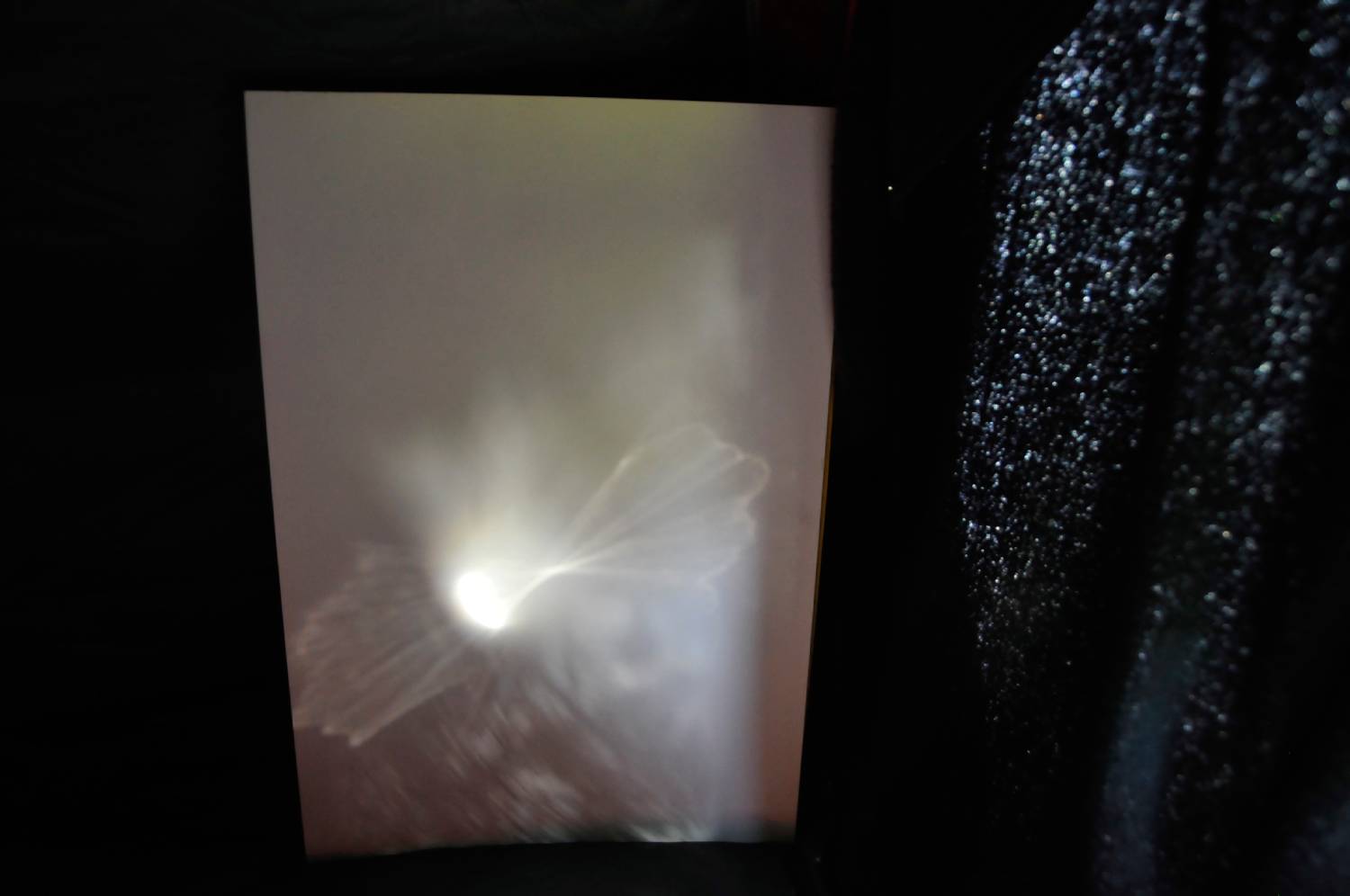
My work explores what exists at the threshold of perception: traces, blurred presences, and the marks of a time that has already passed. These photographs are made using a camera obscura, inside which the photographic camera is placed. I am particularly interested in what happens within the box—that space of transformation where light passes through darkness, turning the outside world into a fragile and uncertain image.
The box becomes a place of transition between the visible and the invisible. There, the image emerges as a trace rather than a description. I am not interested in representing reality, but in revealing what takes place during its transformation. The photograph thus becomes the visible vestige of an invisible process.