
Clara de Estrada
Bio
With a background in literature and copy-editing, Clara de Estrada (Buenos Aires, 1970) spent her youth between Buenos Aires and Rome before focusing on fine art and documentary photography. Upon returning to Argentina, her inquisitive nature led her to delve into various techniques under the mentorship of figures such as Lutz Matzchke, Juan Travnik, and Lorena Guillén Vaschetti; with them, she developed a vision that explores the familiarity between species through a poetic yet critical lens. Her distinctive style is evident in the deconstruction of the image and the search for human and animal traces within everyday scenes.
Clara de Estrada is a founding member of the Zorba Foundation (animal welfare) and collaborates with the Potencialidades Foundation (children's play centers in marginalized areas). Throughout her career, the artist has participated in group exhibitions curated by Inés Miguens (2003–2005) and Lutz Matzchke (2006). More recently, her work was selected for presentation in Nice, France, as part of the "La vie en Bleu" International Residency—a competition organized and curated by Ximena Echagüe (2024).
She has also held solo exhibitions at House of Art, curated by Romina Méndez Castelli (2021); at "El más acá Club Cultural" in Buenos Aires (2018); and at MUBATA (Museum of Fine Arts of Tres Arroyos) (2025).
She works as a freelance photographer for various magazines (such as "Sofía", "Caras", "Barzón", and "Oh my dog") and diverse brands. She published the book "Correr para vivir" (2016) for the Zorba Foundation and contributed to the guide "Buenos Aires Guau" (2015), published by Larrivière, alongside Isabel de Estrada and Melina Zukernic.
She is the author of two photobooks: "La única foto" (2019) and "Avistaje" (2025), both published by La Luminosa.
Statement
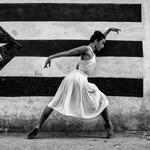
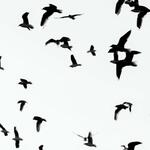
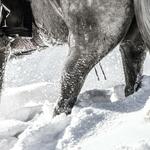
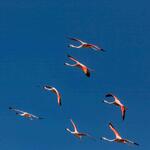
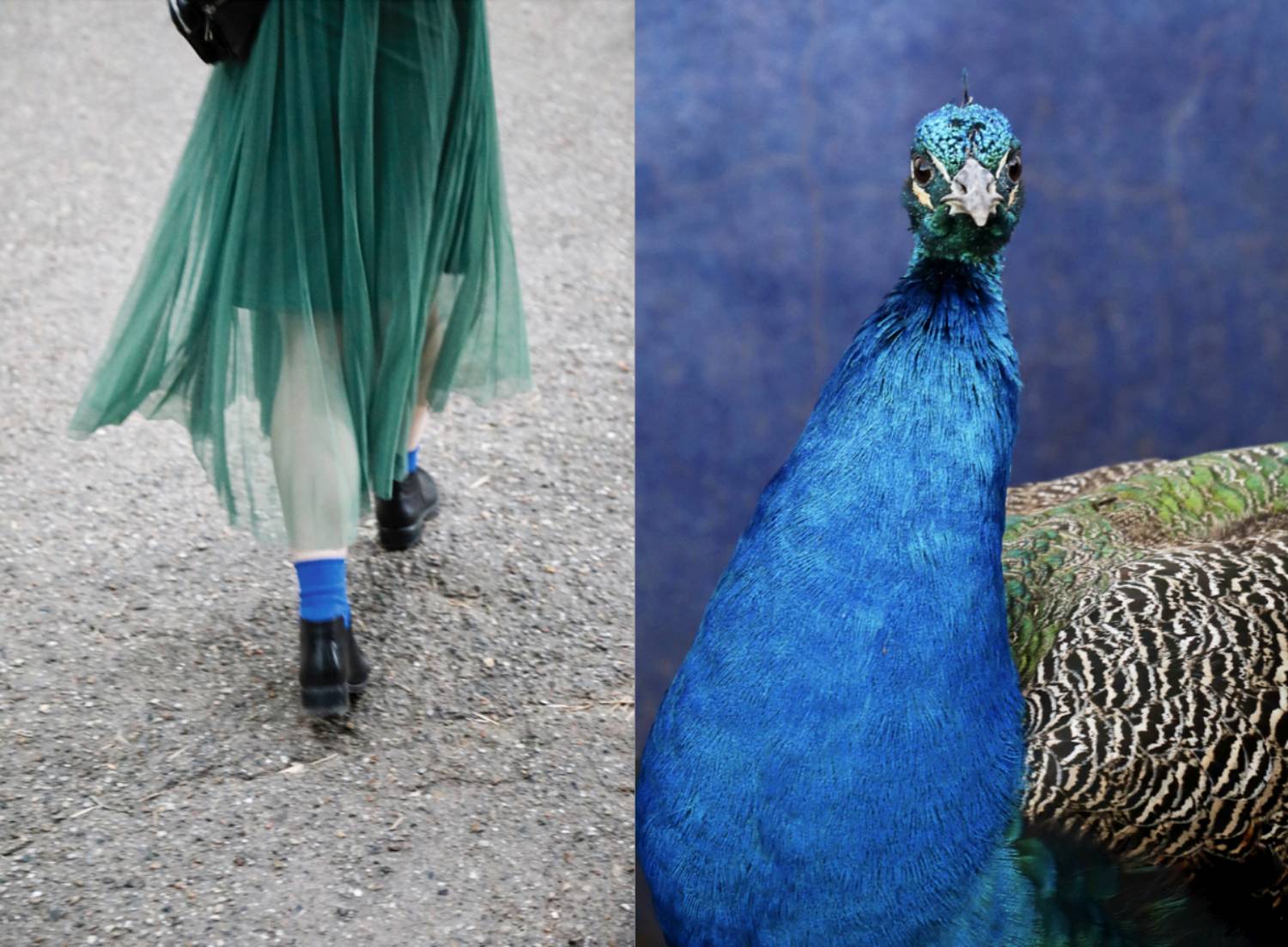
“Avistaje” proposes an original visual and conceptual bridge between the human and animal worlds, inviting readers to rethink their relationship with both realms. The work, which grew out of the author’s walks through the city, explores this connection “through mimetic associations imbued with humor and sensitivity,” writes Argentine anthropologist Celeste Medrano in the book.
In the pages of “Avistaje,” the photographer brings into dialogue two worlds that, at first glance, appear worlds apart.