
Julio Le Parc
Bio
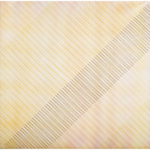
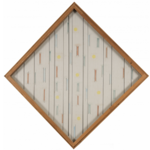
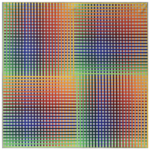
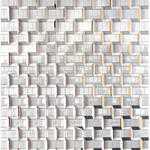
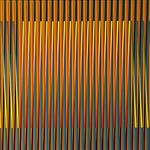
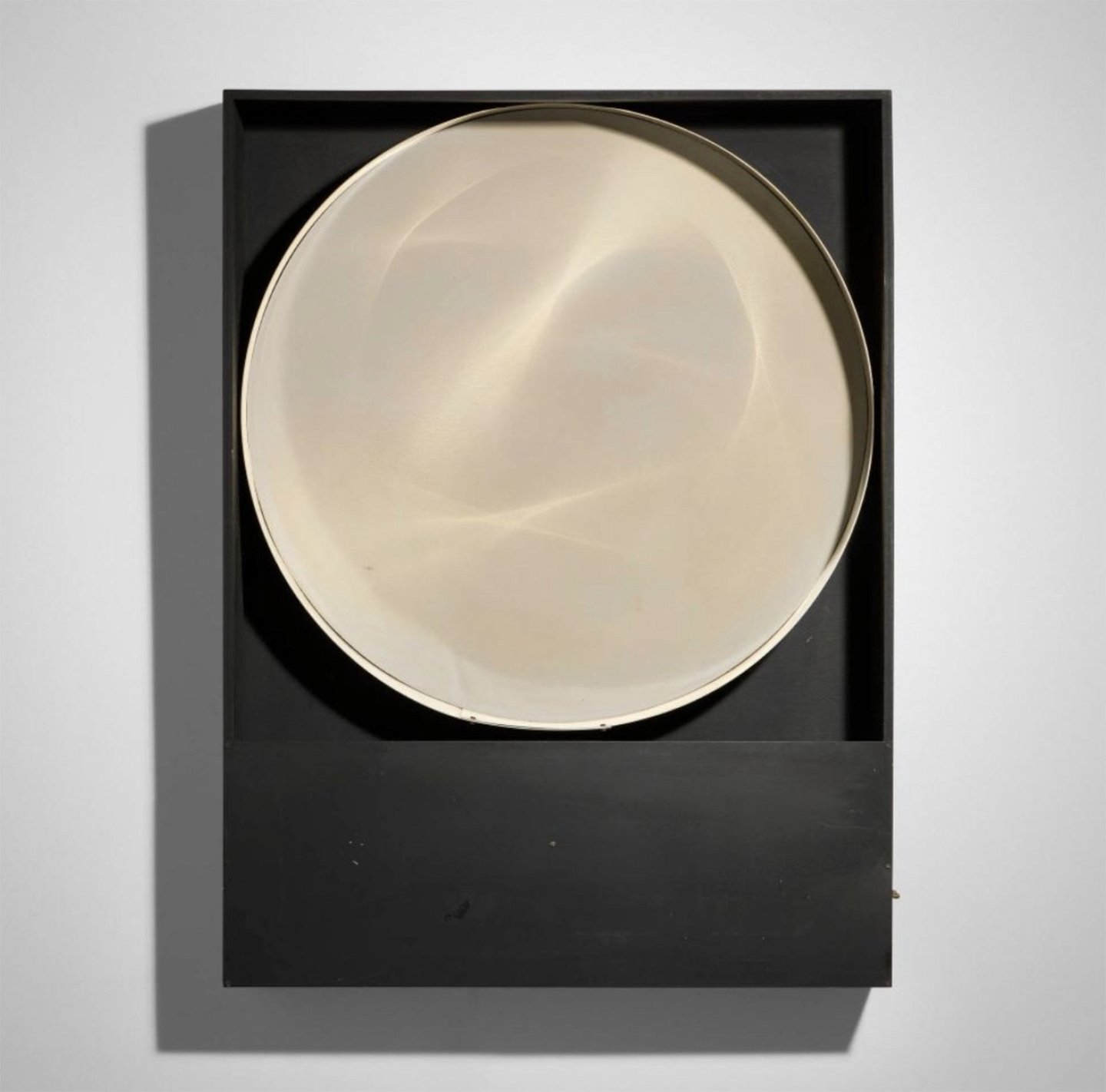
Le Parc was born in Mendoza on September 23, 1928, and passed away in Paris on May 30, 2026; his final exhibition, "Light, Color, and Action," will be on view at the Tate in London until May 3, 2027.is a major figure of historical importance within kinetic and contemporary art. In Paris in 1960, he cofounded the influential collective Groupe de Recherche d’Art Visuel (GRAV), along with Horacio Garcia Rossi, Francisco Sobrino, François Morellet, Joël Stein, and Jean-Pierre Vasarely (Yvaral). Le Parc’s early paintings were influenced by the constructivist movement known as Arte Concreto Invención, as well as artists such as Piet Mondrian and Victor Vasarely. Since 1959, Le Parc has continued on his own independent path, applying rigorous organizing principles to his paintings, whether exploring the use of fourteen scales of colors or white, gray, and black in endless varying yet precise combinations. He has produced paintings that are simultaneously founded on rigorous systems of organization of surface and correlation of forms, as well as vibrant reliefs and immersive installations. He has long been concerned with how art might consider the participation of the public, and his research into perceptual instability as a pioneer of kinetic and op art led to important works involving light and movement. Le Parc is particularly interested in opening up new relationships between the art object and the viewer, whereby the visitor is no longer a passive, dependent observer, but an active participant within a dynamic experience. Julio Le Parc was awarded the International Grand Prize for Painting at the 33rd Venice Biennale in 1966. A defender of human rights, he fought against dictatorship in Latin America through numerous collective antifascist projects.
Additional information
Firmada al dorso, etiqueta “Le Parc” Ediciones Denise René, París, 100 ejemplares